


As a parent, you want to ensure your baby is healthy and happy. One of the best ways to achieve this is to prioritize their hygiene. Keeping your baby clean can help prevent illness and infections , and promote overall health and well-being. Here are the top five hygiene practices to keep your baby clean and healthy:
- Frequent Hand Washing
- Bathing Your Baby
- Cleaning Diapers
- Clean Clothes and Bedding
- Proper Food and Bottle Handling
Bathing:

Bathing is an essential part of keeping your baby clean and healthy. However, it can be overwhelming for new parents, especially if you’re unsure about the right techniques and frequency. You can start giving your baby a bath as soon as the umbilical cord stump falls off and the navel heals completely. For most babies, this occurs when they’re two months old. Until then, you can clean your baby using a warm washcloth or sponge bath.
Newborns don’t need a bath every day; bathing them too often can dry out their delicate skin. Experts recommend bathing your baby two to three times a week during the first year. However, if your baby enjoys bath time and doesn’t cause skin irritation, you can bathe them more frequently.
Diapering:
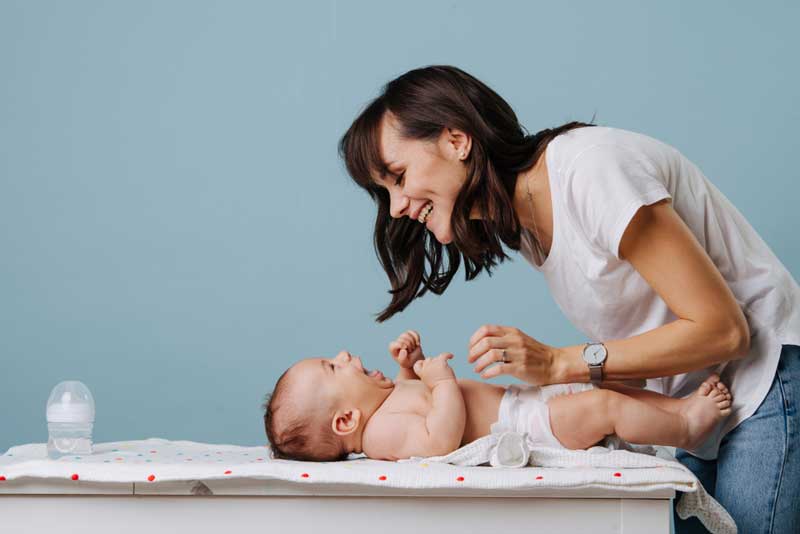
Cleaning cloth diapers after a poop can seem daunting, but it’s not as difficult as you might think. Here’s how to clean cloth diapers after your baby has soiled them:
- Remove any solid waste from the diaper using a diaper sprayer, which attaches to your toilet and sprays water to wash away the poop. Alternatively, you can use a scraper or spatula to remove the poop and dispose of it in the toilet.
- Rinse the diaper with cold water to remove any remaining poop or urine. Avoid using hot water as it can set in stains and make them harder to remove.
- Pre-treat the diaper with a stain remover or laundry detergent, focusing on the soiled areas. You can also soak the diaper in cold water with a little detergent for a few hours to help remove any stains.
- Wash the diaper in hot water with mild detergent. Use the highest water level and the longest cycle possible to clean the diaper thoroughly.
- Dry the diaper in the sun, a natural bleach that can help remove any remaining stains. Alternatively, you can dry the diaper in a dryer on low heat, but avoid using high heat as it can damage the fabric.
Hand Washing:
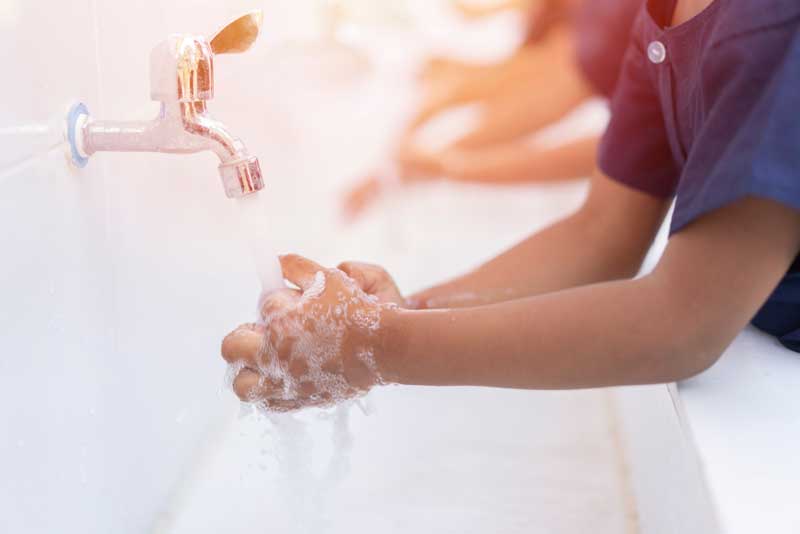
Hand washing is essential to maintaining your baby’s hygiene and preventing the spread of germs. Babies have weaker immune systems than adults, which makes them more susceptible to illnesses and infections. Regular hand washing can help prevent the spread of germs that can cause illnesses such as colds, flu, and diarrhea.
You should wash your hands before and after handling your baby, preparing food, eating, using the bathroom, and coming into contact with someone sick.
Teething Care:
Teething can be a challenging time for both babies and parents. Here are some tips for caring for your baby during the teething process:
- Offer teething toys
- Massage your baby’s gums
- Provide cool drinks and foods
- Use a teething gel
- Try a cold compress
- Comfort your baby
Spit-Up Cleaning:
Spit-up is common in babies, especially during their first few months. Here are some tips for cleaning up spit-up:
- Act quickly
- Blot the area
- Apply a cleaning solution
- Wash the item
- Check for stains
- Dry the item
Related Article:Nurturing Your Bundle of Joy: Basic Infant Care Tips for New Parents