

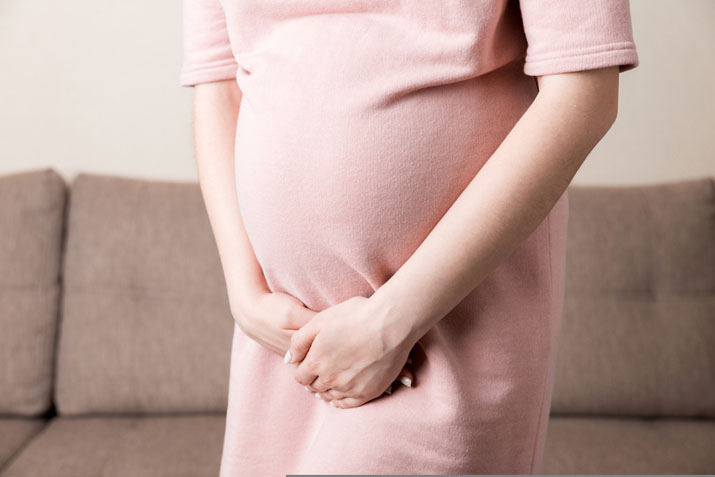
Pregnancy is a beautiful time for a woman to bring a new life into the world. However, it can also be a time of many aches, pains, and discomforts. In this article, we’ll explore some of the more common ones so that you know what to expect and how to deal with them.
Cramps during Pregnancy
It’s not uncommon to experience cramps during pregnancy. In fact, about 50% of pregnant women will experience cramps at some point during their pregnancy. While cramps can be a nuisance, they are usually nothing to worry about and will go away on their own. However, if you’re experiencing severe or persistent cramps, it’s important to contact your healthcare provider.
There are a few things that can help relieve cramps during pregnancy. First, try gently massaging the area where you’re experiencing the cramp. You can also try placing a heating pad on the area for a short period of time. If you’re still struggling with relief, consider talking to your healthcare provider about over-the-counter pain medication options.
Lightning Crotch
Lightning crotch alludes to sharp or shooting torment in the vagina, rectum, or pelvis. It for the most part happens during pregnancy. The aggravation comes on abruptly and can leave somebody speechless.
The aggravation can be inconsistent and changes between people. Many individuals don’t encounter this side effect by any means during pregnancy. For the people who do, lightning groin appears to happen all the more frequently close to the furthest limit of pregnancy.
Possible home remedies include the following:
- Taking a warm bath
- Having a prenatal massage
- Changing Positions
- Wearing an abdominal support band
Heartburn and Indigestion
During pregnancy, it’s common to experience heartburn and indigestion. These symptoms are caused by the pressure of the baby on the stomach and the relaxed muscles of the digestive tract.
Heartburn and indigestion can be uncomfortable, but they’re usually not serious. To help relieve symptoms:
- Avoid eating large meals or lying down immediately after eating.
- Eat several small meals throughout the day instead of three large ones.
- Drink plenty of fluids, especially water.
- Avoid foods that trigger heartburn, such as spicy, fatty, or fried foods; citrus fruits; tomatoes; chocolate; coffee; and carbonated beverages.
- Don’t smoke.
Swollen Ankles and Feet
If you’re dealing with swollen ankles and feet during pregnancy, you’re not alone. Many women experience this symptom during pregnancy, especially in the third trimester. Swollen ankles and feet are caused by fluid retention, which is a common occurrence during pregnancy. Although it can be uncomfortable, swelling is usually harmless and will resolve itself after delivery. In the meantime, there are a few things you can do to ease the discomfort:
- Elevate your feet whenever possible to reduce swelling.
- Wear comfortable shoes that don’t constrict your feet.
- Exercise regularly to promote circulation.
- Avoid standing for long periods of time.
- Drink plenty of fluids to keep your body hydrated.
If you’re concerned about the swelling in your ankles and feet, consult with your doctor. They can rule out any other potential causes and offer advice on how to best manage the swelling.