

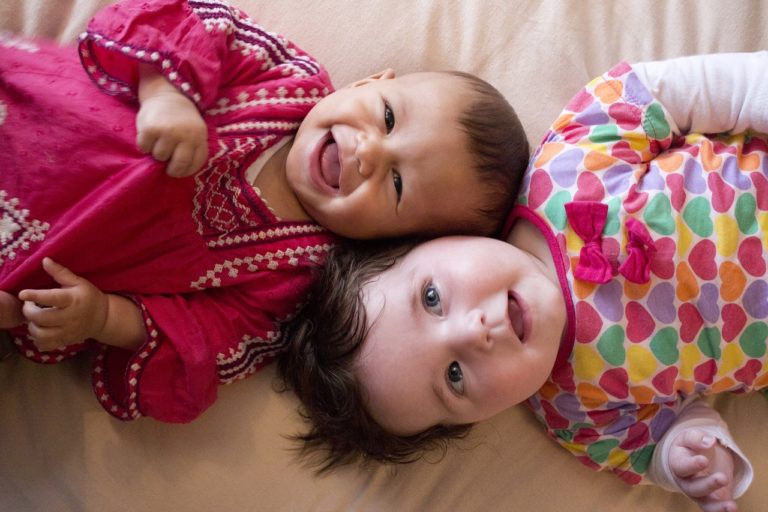
Laughing during sleep, also known as hypogeal, is a relatively frequent occurrence. It may often be observed in babies, sending parents scrambling to note down the infant’s first laugh in the baby book!
In general, laughing in your sleep is harmless. In rare cases, it can be a sign of a neurological issue.
Understanding REM cycles
Knowing sleep is equally important when looking at laughter throughout the rest. There are two main kinds of sleep: rapid eye movement (REM) and also non-REM sleep.
It’s very brief.
This stage is a period of light sleep before the later deeper sleep. Your heart and breathing farther slow, and your muscles relax even more than before. Your eye motions below your lids stop, and your brain activity slows down with sporadic periods of electrical operation. You need this last period of sleep to feel refreshed. This stage happens more in the first part of the night. During this time, your heartbeat and breathing are at the slowest stage, as are the brain waves.
REM sleep is when the majority of your dreaming occurs. It starts about an hour and a half after falling asleep. As the name implies, your eyes move quickly back and forth under your eyelids. Your brain waves are varied but are close to the way they are if you are awake.
While your breathing is irregular and your heartbeat and blood pressure are very similar to if you’re alert, your arms and thighs are temporarily paralysed. This is so that you don’t act out the action you may do on your dreams.
Laughing in your sleep usually occurs during REM sleep, even though there are cases of it occurring during non-REM sleep, too. Sometimes this is known as a parasomnia, a type of sleep disorder which leads to abnormal movements, perceptions, or emotions that occur during sleep.
What causes a person to laugh at their sleep?
Laughing on your sleep is typically nothing to fret about. One small 2013 inspection found that it is most often a benign physiological phenomenon that happens with REM sleep and dreaming. While it can occur during non-REM, this is much rarer.
REM sleep behaviour disorders
Paradoxically, laughter during sleep can be a sign of something more severe, like REM sleep behaviour disorder. In this disease, the paralysis of your limbs does not happen during REM sleep, and you act out your fantasies physically.
It can also have to talk, laughing, crying, and if you wake up during the episode, recalling the dream.
Parasomnia
Laughter in sleep can also be connected with non-REM sleep arousal parasomnias, which are somewhat like being half-asleep and half-awake.
Such parasomnias contain sleepwalking and sleep, terrors. These episodes are, on the other hand, with most lasting less than an hour. These are more common in children, but they could also happen in adults. An increased risk of parasomnia can be caused by:
It is not completely clear what causes a kid to laugh in their sleep. We don’t know for sure whether infants dream, although they do encounter an equivalent of REM sleep known as busy sleep.
As it’s not possible to know whether infants dream, it is believed that when infants laugh in their sleep, it is frequently a reflex rather than a response to a fantasy they are having. By way of example, many researchers trusted Source note that infants might twitch or smile in their sleep during active sleep.
When infants go through this kind of sleep, their bodies can make involuntary movements. These involuntary motions might contribute to smiles and laughter out of infants during this time.
In sporadic instances, there are forms of seizures that can occur in babies that trigger episodes of uncontrolled giggling, known as gelastic seizures. These are brief seizures, lasting around 10 to 20 minutes, which may begin in infancy approximately ten months old. They can occur as the baby is falling asleep, or whether they’re sleeping, it might wake them up.
If you notice this frequently happening, multiple times every day and accompanied with a vacant stare, or if it occurs with grunting or strange physiological movements or squirming, speak with your paediatrician.
Diagnosing this condition can be hard, and the physician may wish to know more about the situation and perhaps run some diagnostic tests to be sure of what is going on.
The bottom line
When there are cases were laughing in your sleep can indicate something serious, in general, it is a benign occurrence, and you’ve got nothing to be concerned about.
For babies and young children, laughing in their sleep is typical and generally not a cause for concern. This is especially true if any strange behaviour does not accompany it.
If you are experiencing sleep disturbances or problems with sleeping, it’s well worth talking with your physician about your concerns. They may refer you to a sleep specialist for further evaluation.
You might want to read about WHY DO BABIES CRY?